


$9.87
Accurate replica of 19th century authentic long absinthe spoon called Les Cuilleres
Premium absinthe spoon with with a separate sugar cradle in the middle of the handle
Handmade absinthe spoon made of top grade...
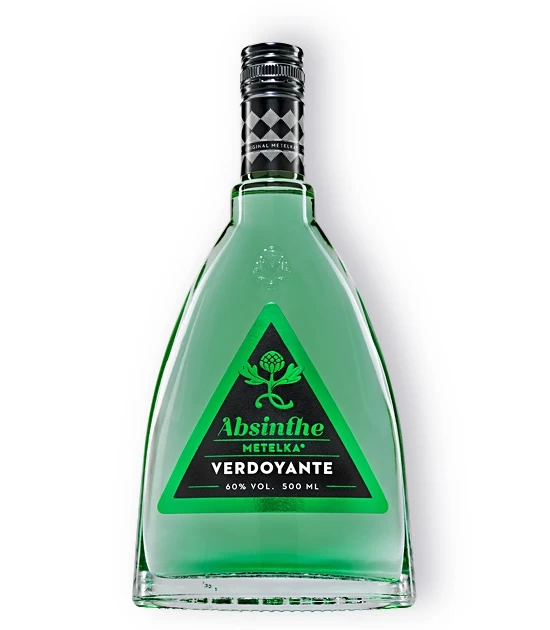
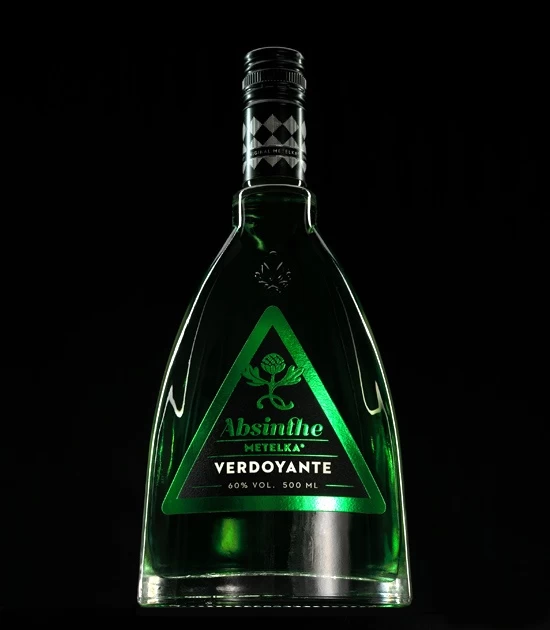
Absinthe Verdoyante is one of the latest additions to our range of fine spirits. It is bitterish, green spirit tasting of aniseed and fennel with extract of wormwood, coriander and a distillate made from herbs and spices. Absinthe Verdoyante stands for tradition and tested quality. Bohemian absinthe recipes have always meant that much less anise is used in local production, thus Absinthe Verdoyante does not turn milky, or 'louche' when water is added. Contains 10 mg/l of thujone.
With discreet and fast shipping to the US and other nations, you can order one or more bottles of Absinthe Verdoyante, King of Spirits Gold, Staroplzenecky or Absinthe Bitter Spirit, all made with actual wormwood and natural herbs for great flavor. Become an Absinthe expert by purchasing multiple absinthe bottles at once to have a great tasting party. Absinthe flavors are subtle and influenced by a variety of factors including various herbs, alcohol content, and the brewing process.
Did you know that...?
The modern liquor known as absinthe was first produced in the late 18th century in the Val-de-Travers region of Switzerland, where a bounty of wormwood and other alpine herbs grows wild. Pierre Ordinaire, a French doctor, is believed to have invented absinthe in 1792 as a potent patent medicine, although "bon extrait d'absinthe" had been advertised in the region as early as 1769. By the late 1790s, Ordinaire's herbal elixir had already acquired the nickname La Fee Verte - Green Fairy.
Could not be happier with this exceptional product.<br /> Smooth and light wonderful flavor.
Intoxicating.... Made me a heathens breakfast. <br /> 1 part Absinthe Verdoyante,<br /> 2 parts Folgers coffee, <br /> and a slice of pizza.
Please sign in first.
Sign inWe use cookies to offer you the best experience possible when shopping with us. Continue browsing if you're happy with our Privacy & Cookie Policy.
Create a free account to use wishlists.
Sign in